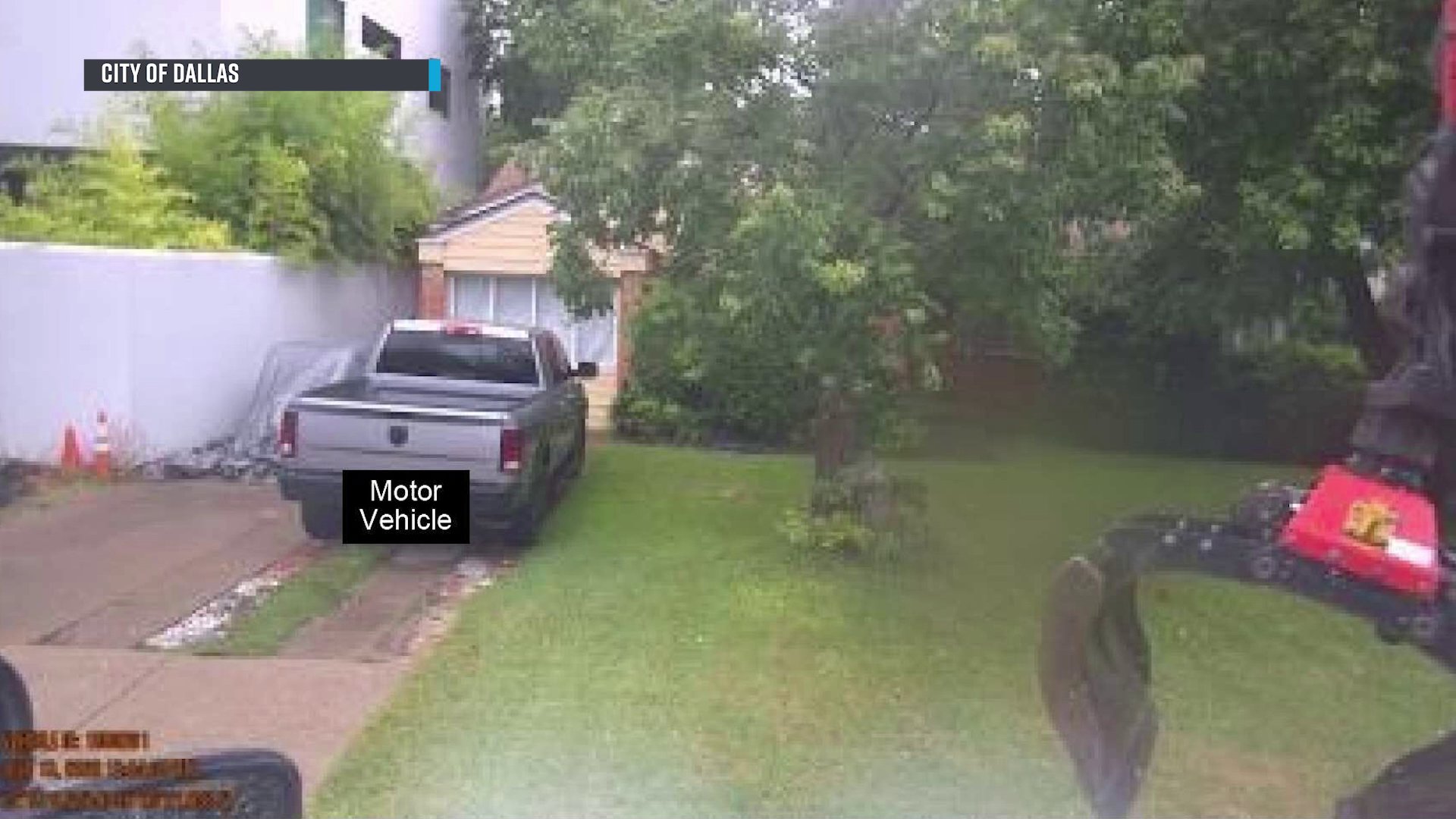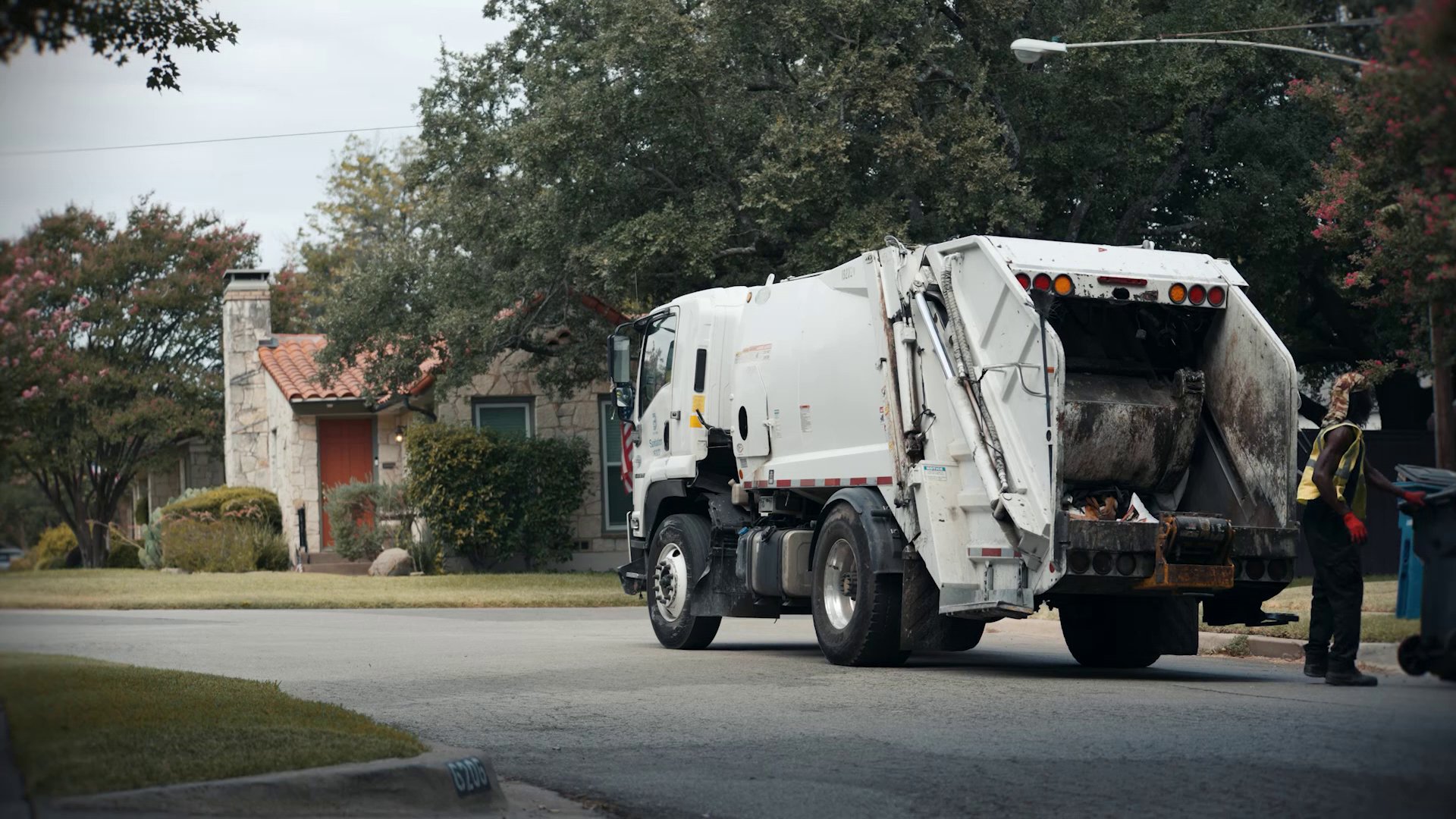
Every time someone pays a code citation in Dallas, $36 goes into a fund intended to help low-income homeowners make costly repairs to bring their properties into compliance. But NBC 5 Investigates discovered the city stopped awarding grants from that fund about two years ago, even as money continued flowing into it and as the city deployed AI-powered cameras that detected more than 20,000 potential code violations in just months.
Since code enforcement turned on the cameras, the Code Compliance Department said between April and mid-September it sent about 3,700 notices to homeowners asking them to voluntarily fix violations. After human inspectors reviewed potential violations, the city also said it opened 300 new enforcement cases and issued more than 80 citations involving approximately 50 properties.
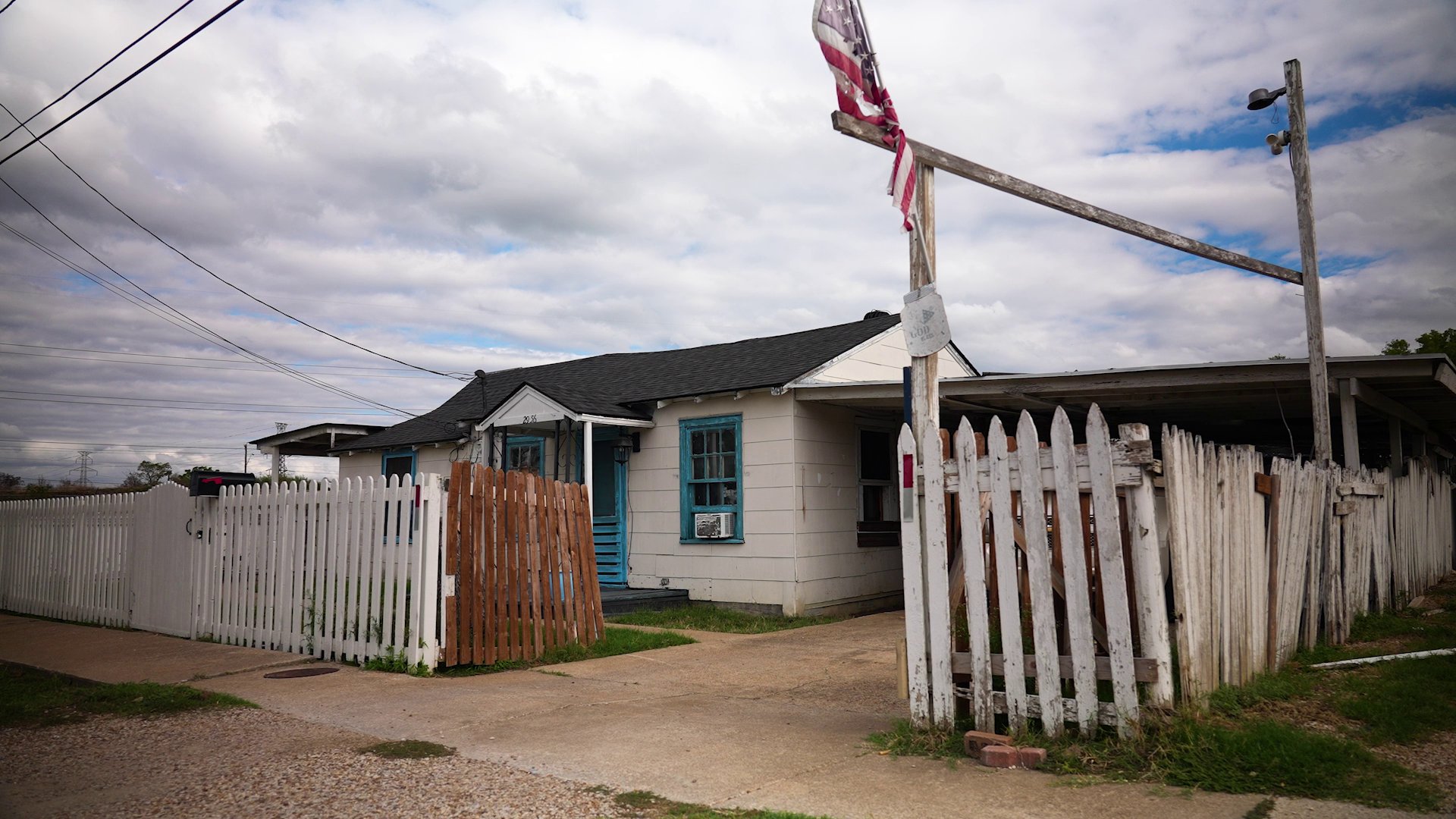
One of those properties receiving citations belongs to the mother of Daniel Davila, who grew up in a home on a narrow street in Oak Cliff. Davila’s mother still lives in the house, which holds decades of family memories but also shows the toll of time.
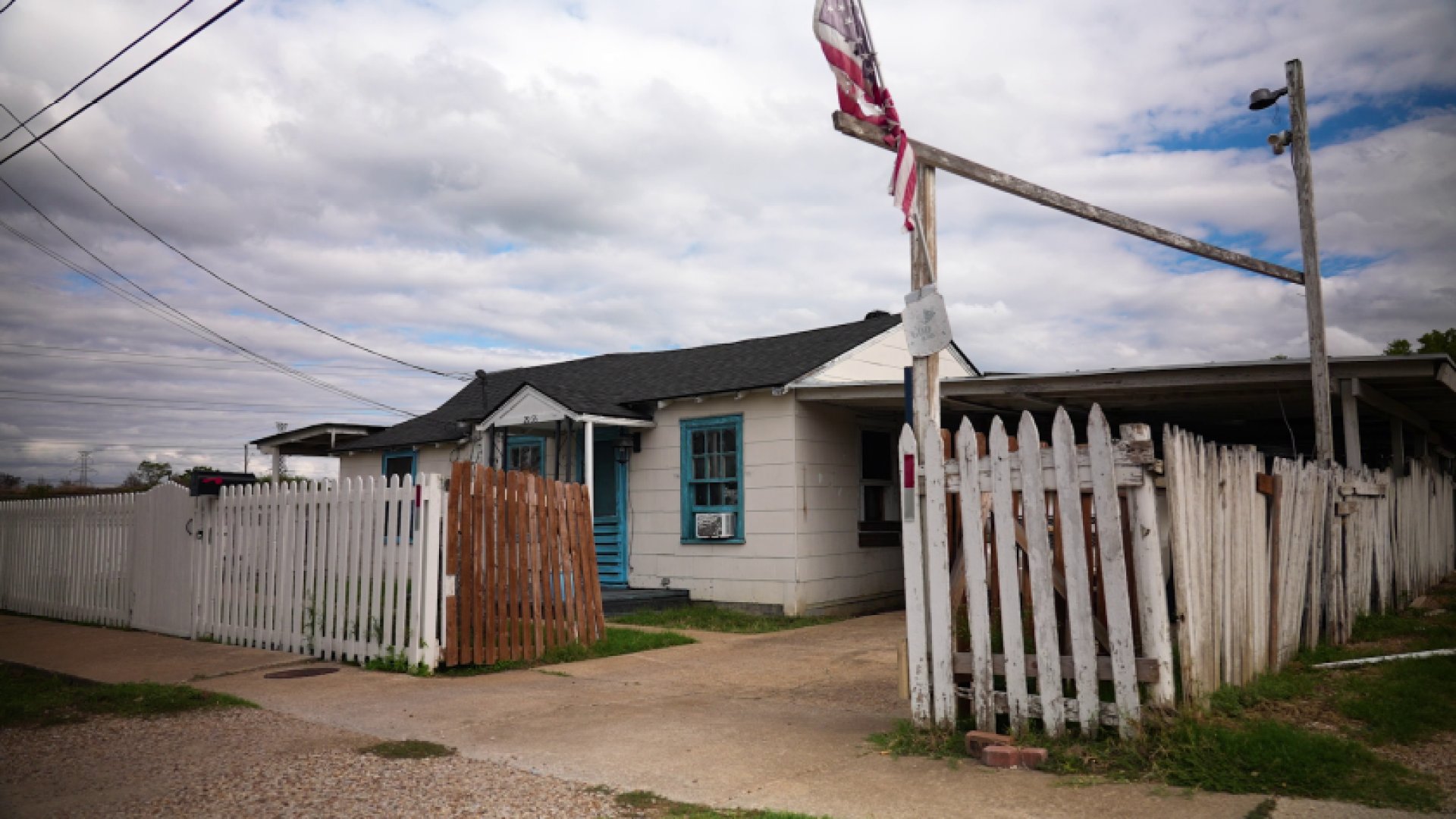
“It hurts me to see it that way,” Davila said. “It’s painful.”
Davila said his family has made repairs to the property, including installing a new roof on the main house. But after burying his father, Davila said the family could not afford additional work on other structures on a lot adjoining the house, which is part of the property.
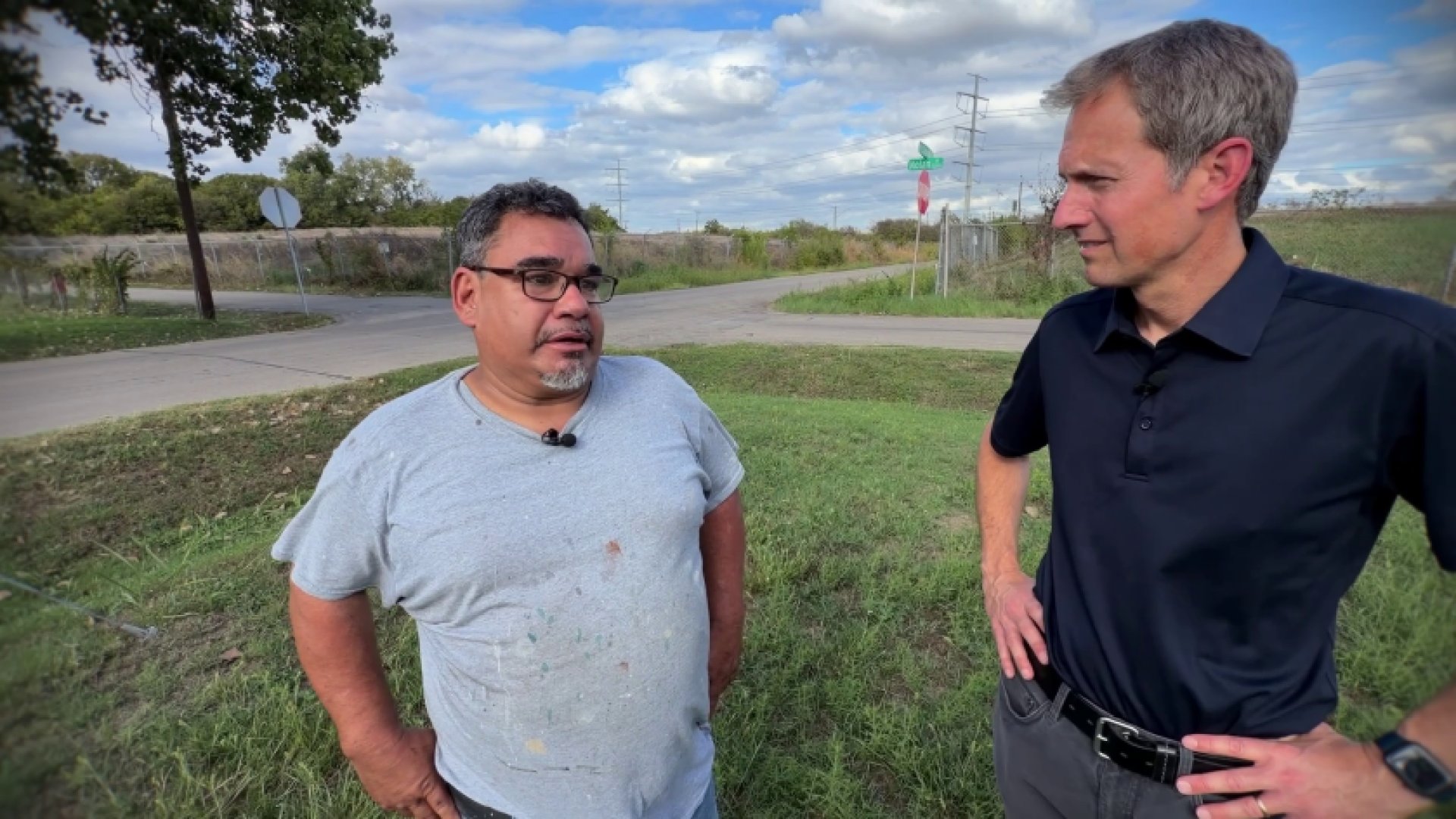
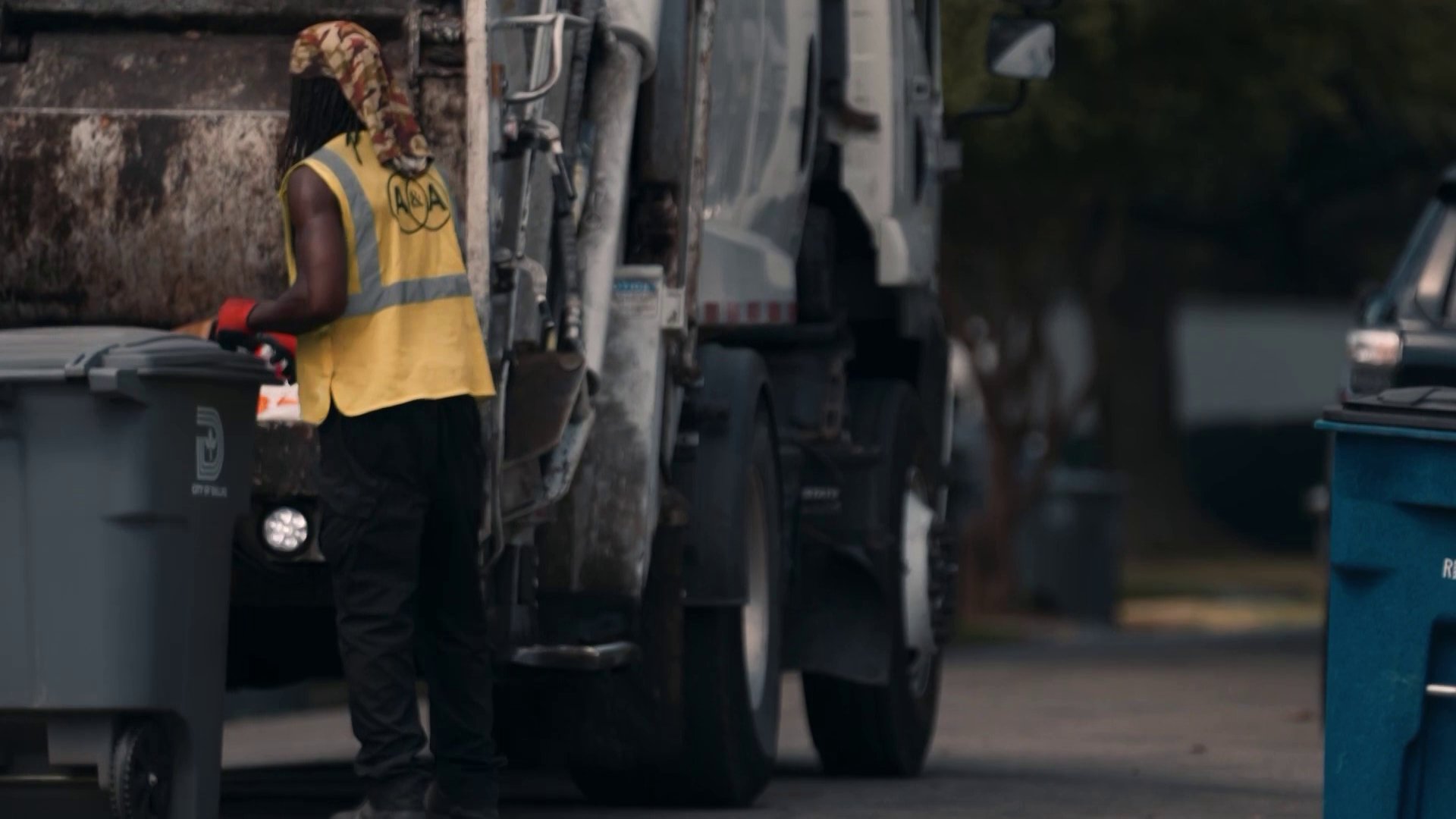
Those structures became the focus of the city’s code enforcement efforts after an AI-equipped trash truck drove down the street, and human inspectors then confirmed the violations.
City records obtained by NBC 5 Investigates showed that inspectors cited the property over concerns about surfaces and building materials on the structures.
The case raised a larger question: What assistance does Dallas offer homeowners who cannot afford repairs required by code enforcement?
During a September interview, Jeremy Reed, with Dallas Code Compliance, acknowledged that some city programs help residents bring properties into compliance but could not provide specifics about assistance offered through the Housing Department.
“I couldn’t speak to that … Code Compliance doesn’t have support programs themselves,” Reed said.

NBC 5 Investigates subsequently examined the city’s Housing Department website and found information advertising the Dallas Tomorrow Fund.
The website described the program as one that’s “…for exterior code violations provides grant assistance to low and moderate-income homeowners….”
The city confirmed the fund receives $36 from each paid code citation and previously offered grants of up to $20,000 to qualifying low-income homeowners facing code violations. However, the Housing Department told NBC 5 Investigates that the program was paused in 2024 as part of a departmental reorganization.
Even when it was operating, the Housing Department told NBC 5 the program helped only about 20 to 30 families each year, based on referrals from code compliance officers. The city would not disclose how much money has accumulated in the Dallas Tomorrow Fund since grants stopped being awarded. A spokesperson said NBC 5 Investigates would need to file an open records request to obtain that information.
Dallas offers other homeowner repair assistance programs, but none specifically address code violations. Some of those programs also accept applications only during limited periods.
Dallas City Councilmember Chad West questioned whether the city is adequately prepared to help low-income residents as AI cameras potentially expand code enforcement’s reach.
“Not having a plan in place to help those individuals with those repairs is concerning,” West said. “If we’re going to go out and aggressively start to roll this program out, we need to have something in place that we can utilize to help some of these residents most in need.”

In a statement to NBC 5 Investigates, a city spokesperson emphasized that homeowners remain responsible for maintaining their properties.
“Property maintenance remains the responsibility of the property owner and the implementation of AI-assisted detection hasn’t changed those standards.”
The city also indicated it is considering restarting the Dallas Tomorrow Fund.
“Both [the code compliance and housing departments] continue to review the program to determine the best way to administer it,” the city spokesperson said.
West said the city should increase outreach and assistance alongside its expanded use of technology to identify property violations. He also questioned whether Dallas is holding its own properties to the same standards.
“Where’s the city stand with our violations?” West asked.
For Davila and his family, the citations are no longer expected to be an issue. The family recently learned the city would dismiss the citations after Dallas’ real estate division notified Code Compliance that it had agreed to purchase the property.
Dallas has spent years purchasing surrounding lots in the Cadillac Heights area of Oak Cliff for a new city maintenance facility and Davila said he and other relatives who live across the street are also selling their properties to the city.
But Davila said he hopes the city’s AI cameras will also draw attention to problems on city-owned land near his family’s home. Some of those properties have decaying, abandoned houses, discarded car parts and illegally dumped trash.
Dallas Code Compliance told NBC 5 Investigates that its cameras are also being used to identify those types of problems.
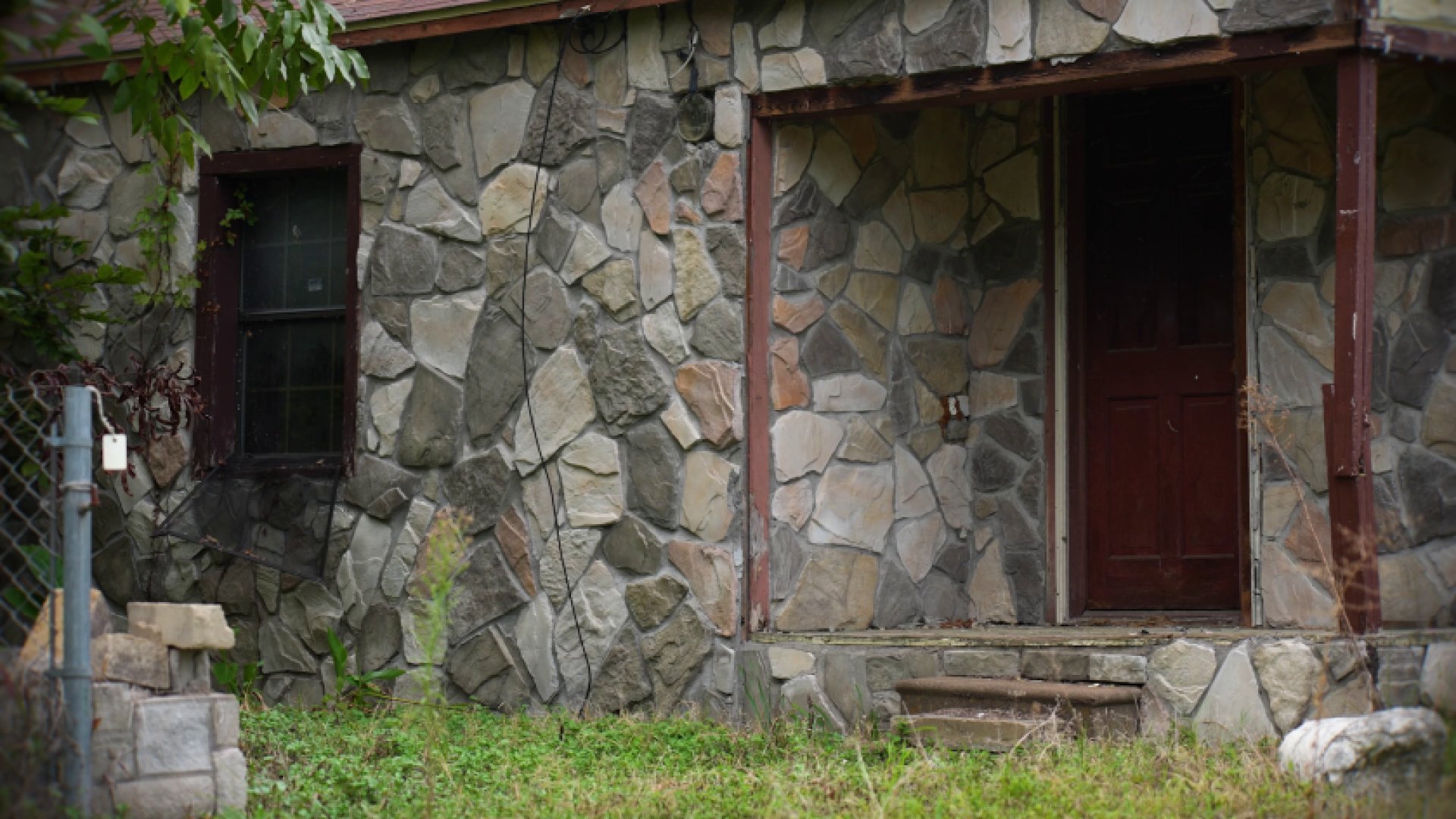
West said the city needs to set an example by addressing violations on its own properties while ensuring assistance is available to residents who cannot afford costly repairs. He requested a hearing for Monday to discuss the AI cameras and their potential impacts.
West said he supports Code Compliance using technology to operate more efficiently and improve the city’s appearance. However, he believes the City Council needs a deeper discussion about the consequences of camera-assisted enforcement, particularly for Dallas’ poorest residents.
West said the city should reconsider the camera program if it cannot provide adequate resources to help homeowners comply with the rules.
The questions come as Dallas considers whether to restart the fund it established specifically to help residents facing expensive code violations, a program that has remained paused while the city expanded its ability to identify property violations.